News & Events
Visiting Scholar: Dr. Karla Costa
Dr. Karla Costa will be visiting Brandon University, hosted by Dr. Gustavo Moura of BU CARES Research Centre. More details on events and talks with Dr. Costa will be coming.
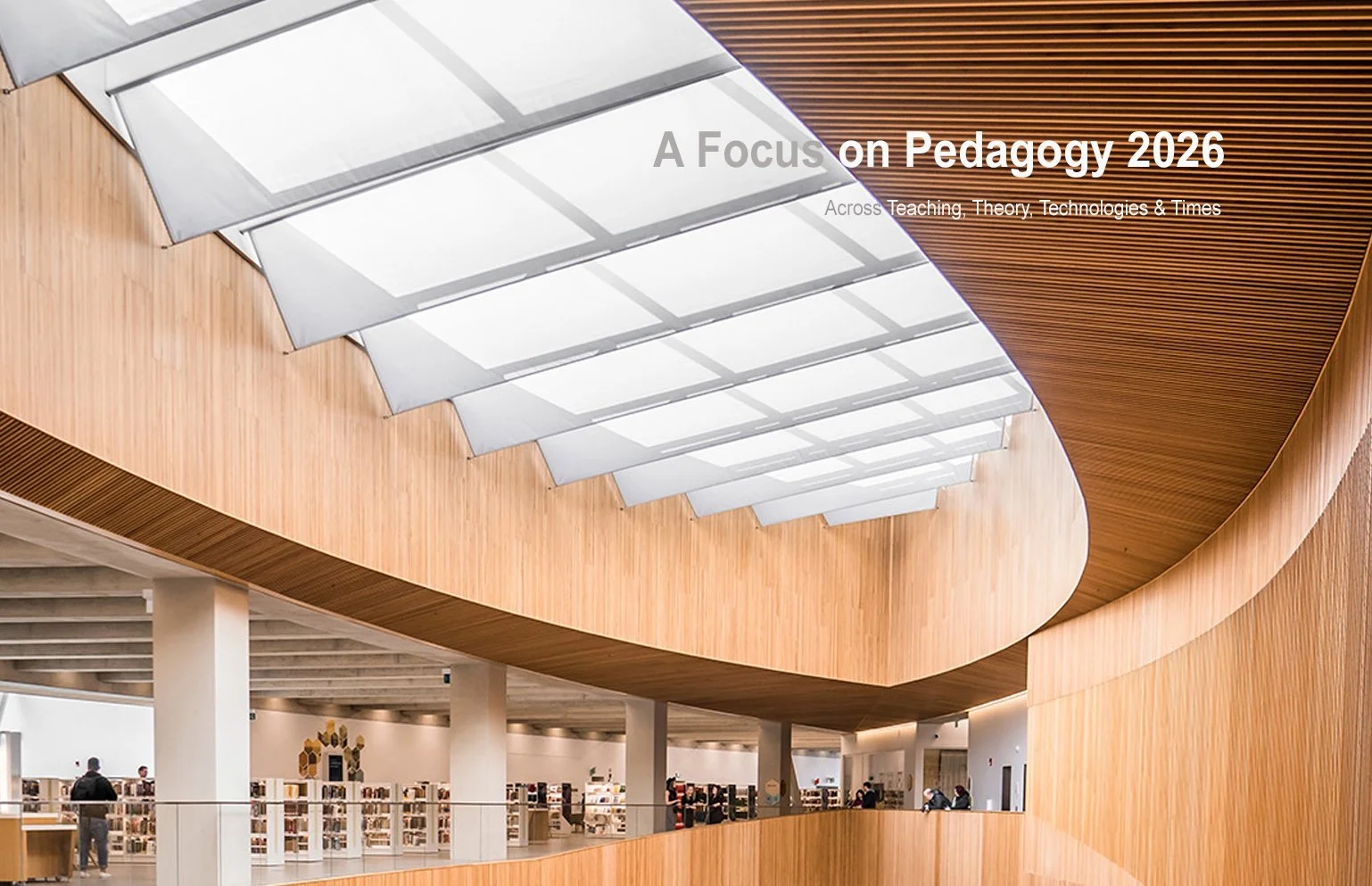
Conference: Focus on Pedagogy 2026 Across Teaching, Theory, Technologies & Times
https://amps-research.com/conference/learning-teaching/
AMPS (Architecture, Media, Politics, Society) is a research group, academic journal, and network based in multiple countries. This year they are hosting a teaching and learning conference with a pedagogy focus. The conference is a blended format, with in-person gatherings happening in the United Kingdom, United States, Denmark, Mexico, Thailand, and Japan.
Michelle has submitted a paper entitled, “But How Do I Assess Someone’s Story?” Tensions and Suggested Resolutions Between Decolonizing Pedagogies and Assessment Practices in Higher Education.”
Following the conference, her presentation will be recorded and available on the AMPS Academic YouTube channel.
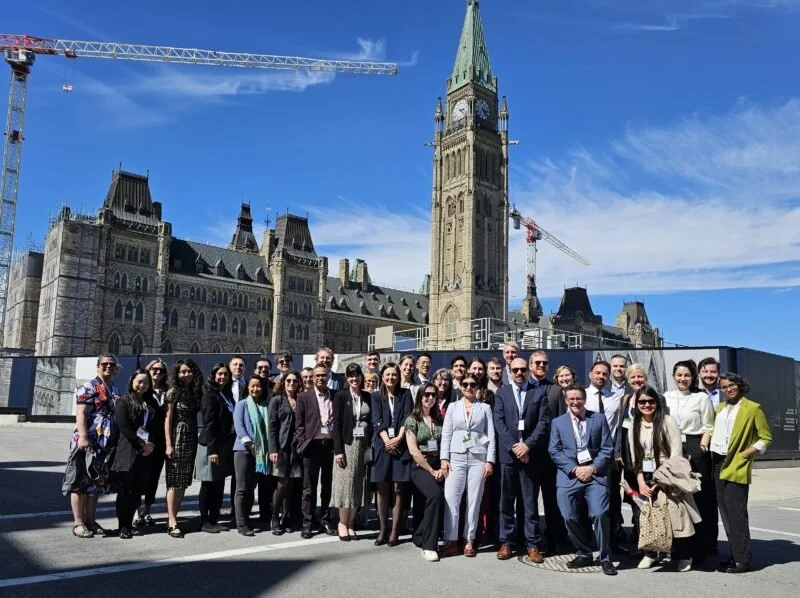
Science Meets Parliament
https://sciencepolicy.ca/programs/science-meets-parliament/
Science Meets Parliament is a federal initiative which aims to strengthen the connections between scientific and political communities across Canada. Michelle has been accepted as a delegate this year.
Natural Dye Workshop
Co-led by Dr. Gustavo Moura (BU CARES), Ash Alberg (Winnipeg) and Sam Lazo (Oaxaca, Mexico).
Exact times TBD.
TSG Advisory Circle Meeting
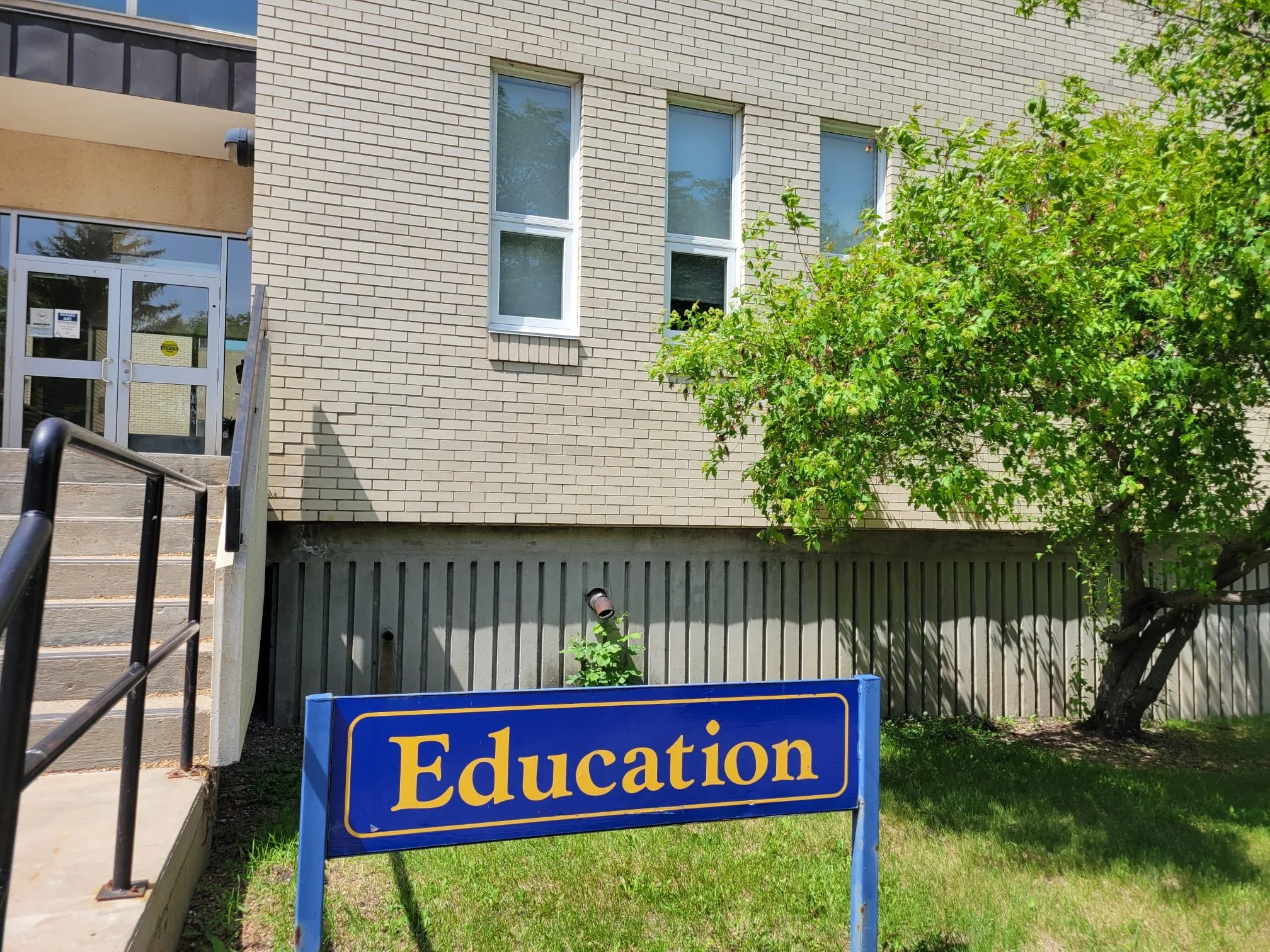
This is an invitation-based meeting for members of The Story Grounds Advisory Circle. If you are interested in serving on the Advisory Circle, please contact us.
Location TBD.
AI Forum for Education Leaders
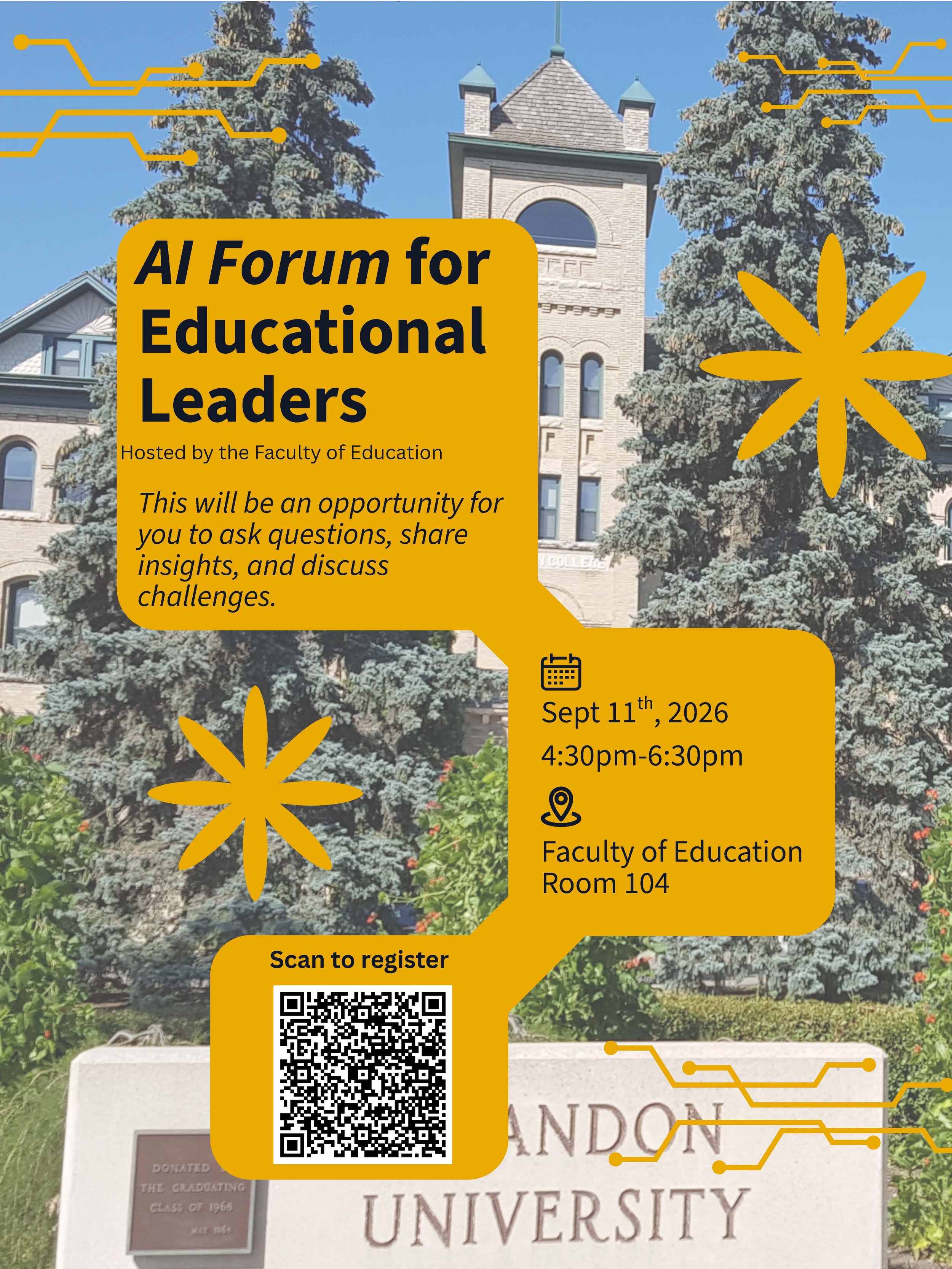
Join Brandon University's Faculty of Education as our honoured guest for an evening of essential conversation in relation to AI in Education.
Date: Friday, September 11, 2026, Time: 4:30-6:30 PM
Location: Brandon University, Faculty of Education, Room 104
7:00 - 9:00 PM (Wine & Cheese Event to Follow)
We would also be most happy to invite you to an optional wine & cheese networking event to follow.
Hosted by BU CARES Research Centre and the Graduate Education Committee.
Register here: https://forms.cloud.microsoft/Pages/ResponsePage.aspx
World Indigenous People's Conference on Education
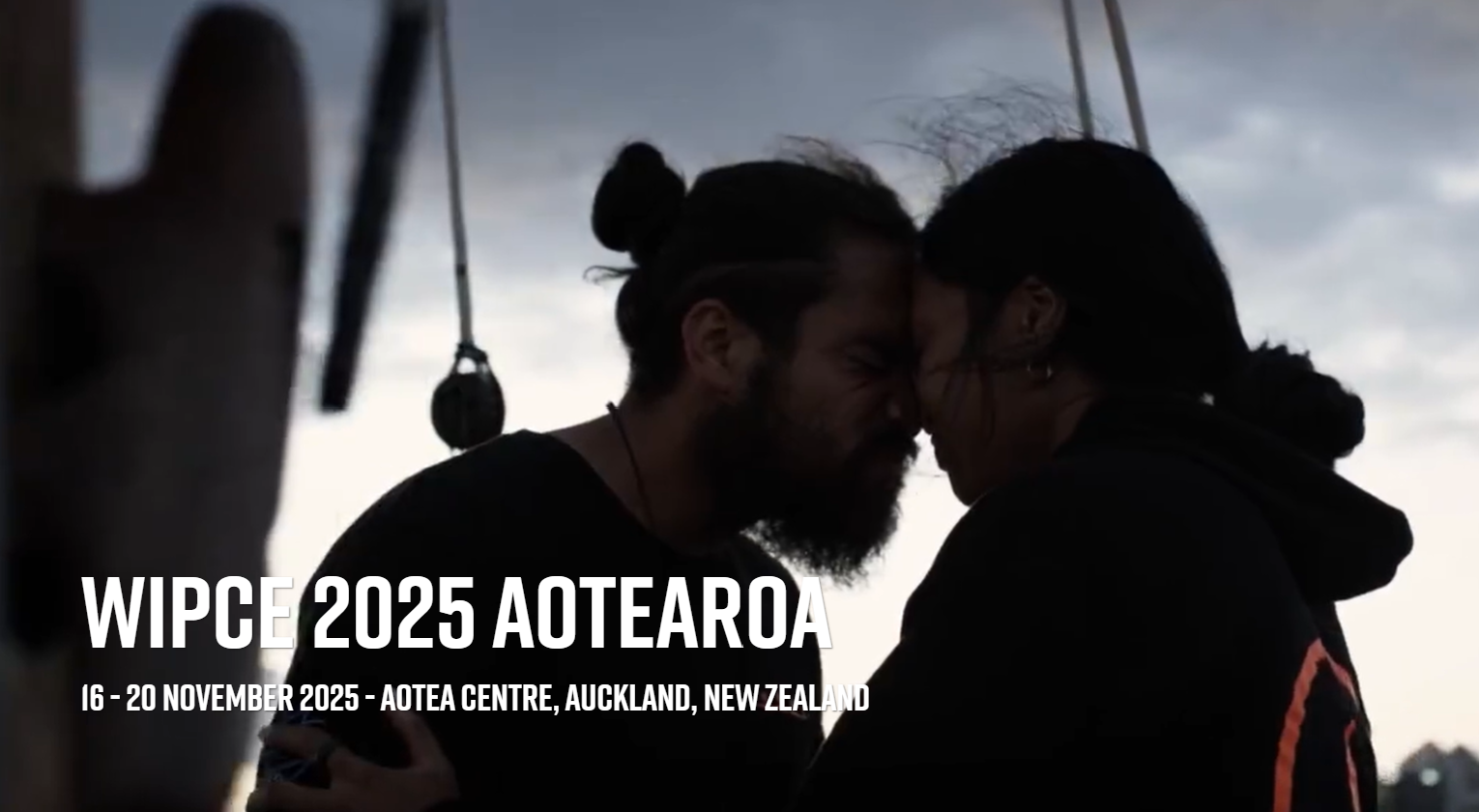
Aotearoa extends a warm welcome to our global Indigenous whānau to the World Indigenous Peoples’ Conference on Education (WIPCE) 2025, in Tāmaki Makaurau, Auckland from 16-20 November, held at Aotea Centre. A pōwhiri (traditional welcome) by mana whenua (local tribe) of central Auckland, Ngāti Whātua Ōrākei will welcome our manuhiri (visitors) to start the conference which features national and international keynote speakers, academic and community presentations, networking sessions, symposiums, panel discussions, seminars, workshops, cultural excursions, a village marketplace, parade of nations and concludes with a closing ceremony.
The Umbay Nagamon Team will be presenting at WIPCE. For more information or to register, please visit https://wipce2025.com/
-

World Education Research Association
Theme: Neoconservatism in the world and education in the face of socio-political-environmental violence
Registration: https://anped.org.br/wera2025/en/submissao-de-trabalhos/
Case Stories of Indigenous Decolonization: Grassroots Community-Based Education for Reconciliation on the Canadian Prairies
Michelle Lam, Ph.D. Brandon University
Introduction
In Canada’s past, education was used by colonial forces to perpetrate genocide on Indigenous Peoples through residential schools which stripped children of language, culture, and identity (TRC, 2015). Today, formal systems of education are attempting to move in the opposite direction, Indigenizing curricula, teaching the truth of colonial history, decolonizing classrooms, and supporting students to reclaim identities. However, students do not exist in a vacuum. At the end of the day, they go home to families and communities where adult learning has not kept pace. Parents and community members can remain ignorant at best, and resistant or hostile at worst, and this is particularly true in Canada’s rural prairies (Denis, 2007; Green, 2006; Lam & Humphreys, 2022; MacDonald, 2021; Philips-Beck et al., 2021; Schick, 2014). Community members make “moves to innocence” (Tuck & Yang, 2012) to resist hearing uncomfortable truths and being held accountable for current inequities. Yet education remains a key tool in fostering social change (Sinclair, 2023).
In Canada and elsewhere where colonialism has been a shaping force, rural places are undergoing significant changes that carry implications for both education and decolonization. In contexts marked by economic loss, population aging, shrinking infrastructure and services, youth out-migration, limited resources, and climate change (ISEDC, 2024), there are distinct challenges and opportunities for decolonization and reconciliation efforts. While formal systems are working to change knowledge, curriculum, and pedagogy, informal (grassroots) initiatives are needed to educate the general public. This focus is particularly important as rural areas remain understudied in educational research.
Methods & Data Sources
This presentation shares multiple case studies (Yin, 2009) of rural community-based grassroots education. Data sources included recorded interviews with Indigenous Elders, Chiefs, founders, participants, and volunteers, with supplemental artifacts from participants and media.
Results
Cases explore a marathon from a former Indigenous residential school to a reserve, honouring students who did not survive while educating non-Indigenous runners (Reconciliation Run, 2024), a prairie church recording Indigenous elders’ stories and songs to preserve language and teachings (Weselake, n.d.), a land sharing network between Indigenous Peoples and settlers (Jeffers-Bezan, 2022), Indigenous content creators online (Cole, 2021), and others. Together, these case studies explore how Indigenous and settler communities are educating community members outside of formal education systems.
Implications
As many countries grapple with colonial legacies and ongoing realities born from ideological violence, this presentation calls the field of education to consider ‘who counts’ as an educator and ‘what counts’ as curriculum, expanding notions of how people learn and who is able to access these learning opportunities.
MANSO Small Centre Collaboration Meeting
These meetings bring together all the key leaders from rural organizations and communities to share ideas, strategize together, and learn from one another. We are building a community of settlement and language practitioners through these meetings, which extend between Canada and Japan.
August 20th Focus: Why is research important to settlement and integration and life in rural communities?
Note - this meeting is by invitation. If you are interested, please contact Michelle Lam.
Brandon Summer Multicultural Celebration
The Westman Multicultural Festival Organization is excited to announce the "Summer Multicultural Celebration" taking place on July 26, 2025, from 10:00am to TBA at Riverbank Discovery Centre in Brandon. This FREE EVENT event promises a day filled with music, dance and vibrant cultural performances for the entire family. There will be traditional foods available from food stalls and food trucks. This family-friendly event is open to all and completely free of charge.
Come visit our booth and learn more about our research!
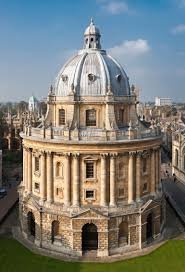
Oxford Education Symposium
Learning in Unexpected Places: How Informal Educational Spaces Promote Social Justice and Public Pedagogy
Michelle Lam, Ph.D. Brandon University
In Canada’s past, education was used to perpetrate genocide on Indigenous Peoples through residential schools. Today, education is attempting to move in the opposite direction, Indigenizing curricula, teaching true history, and decolonizing classrooms. However, the general public’s knowledge has not kept pace. Informal education initiatives are emerging in response, yet they remain understudied.
This presentation shares multiple case studies of community-based grassroots education. Data sources include interviews with Indigenous Elders, Chiefs, founders, participants, and volunteers, with supplemental artifacts.
Cases explore a marathon from a residential school to a reserve, honouring students who died while educating non-Indigenous runners, a church recording Indigenous Elders’ stories and songs, and others. These case studies explore how communities are educating the general public outside of formal education systems.
As many countries grapple with colonial legacies, this presentation calls the field of education to consider ‘who counts’ as an educator and ‘what counts’ as curriculum.
Registration: https://www.oxfordsymposia.co.uk/education
World Refugee Day
Central Park
Winnipeg, Manitoba
https://mansomanitoba.silkstart.com/events/2025-world-refugee-day-celebration
Our Whole Society Conference
Canadian Museum for Human Rights
Theme: Fostering Hope in a Divided World
Winnipeg, MB
Conference Registration is now closed.
Changing the Script: Anti-Racism Education through Arts-Based Research and Film Creation
CASJE-ACÉJS - Storytelling, Scholarship, and Stakeholder Engagement (Récit, recherche et engagement des parties prenantes)
Waterfront Daniels Building (WFD) - 231
George Brown College, Toronto, ON
Time 1:30 PM - 2:45 PM
Changing the Script: Anti-Racism Education through Arts-Based Research and Film Creation
Abstract
In recent years, many schools and school divisions have taken up anti-racism work, and although strides have been made in supporting students to receive anti-racism education, students do not exist in a vacuum. At the end of the school day, they go home to families and communities where adult knowledge has not always kept pace with anti-racism efforts. In addition, when anti-racism initiatives aim to impact the broader community, they can be met with challenges and pushback. Based on the need for strong, research-based, engaging public pedagogy, our research team created 5 short films based on the stories of 500 Manitobans about the racism they experience in the province. Since then, we have been on a journey of using these films in workshops, professional development, and other training opportunities. This presentation shares the research behind the films, the process of their creation, their impact on social media, and the things we have learned from using them to facilitate anti-racism education within the broader community. This study expands the notions of “who counts” as an educator, “what counts” as pedagogy, and contributes to understandings of how arts-based research can be used for social change.
Authors
Michelle Lam Brandon University
Denise Humphreys Brandon University
Akech Mayuom Brandon University
Stephanie Spence Brandon University
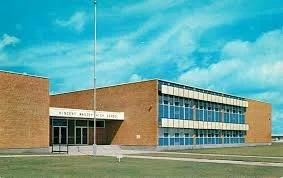
Responding to Racism: Film Screening & Discussion
Vincent Massey High School
Film Screening & Discussion
Room 11
This event is open to all students currently attending Vincent Massey High School
Brandon, MB

Anti-Racism Film Screening & Discussion
Settlement Workers in Schools Professional Development Day
SWIS (Settlement Workers In Schools) workers will be gathering in Portage la Prairie to learn together, grow their networks and gather resources. This event promises to be a transformative learning opportunity, enabling participants to challenge and reshape the pervasive anti-immigration discourse in Canada. You will gain powerful anti-racism tools and resources to effect change. A highlight of the day will be an enlightening panel discussion on SWIS programming, featuring expert voices from each participating organization. Join us for a day filled with connection, learning, and wellness activities—designed to provide lasting skills and resources.
Portage la Prairie, Manitoba
This event requires registration in advance. Visit the website for details: https://mansomanitoba.silkstart.com/events/settlement-worker-in-schools-swis-professional-development-day-3
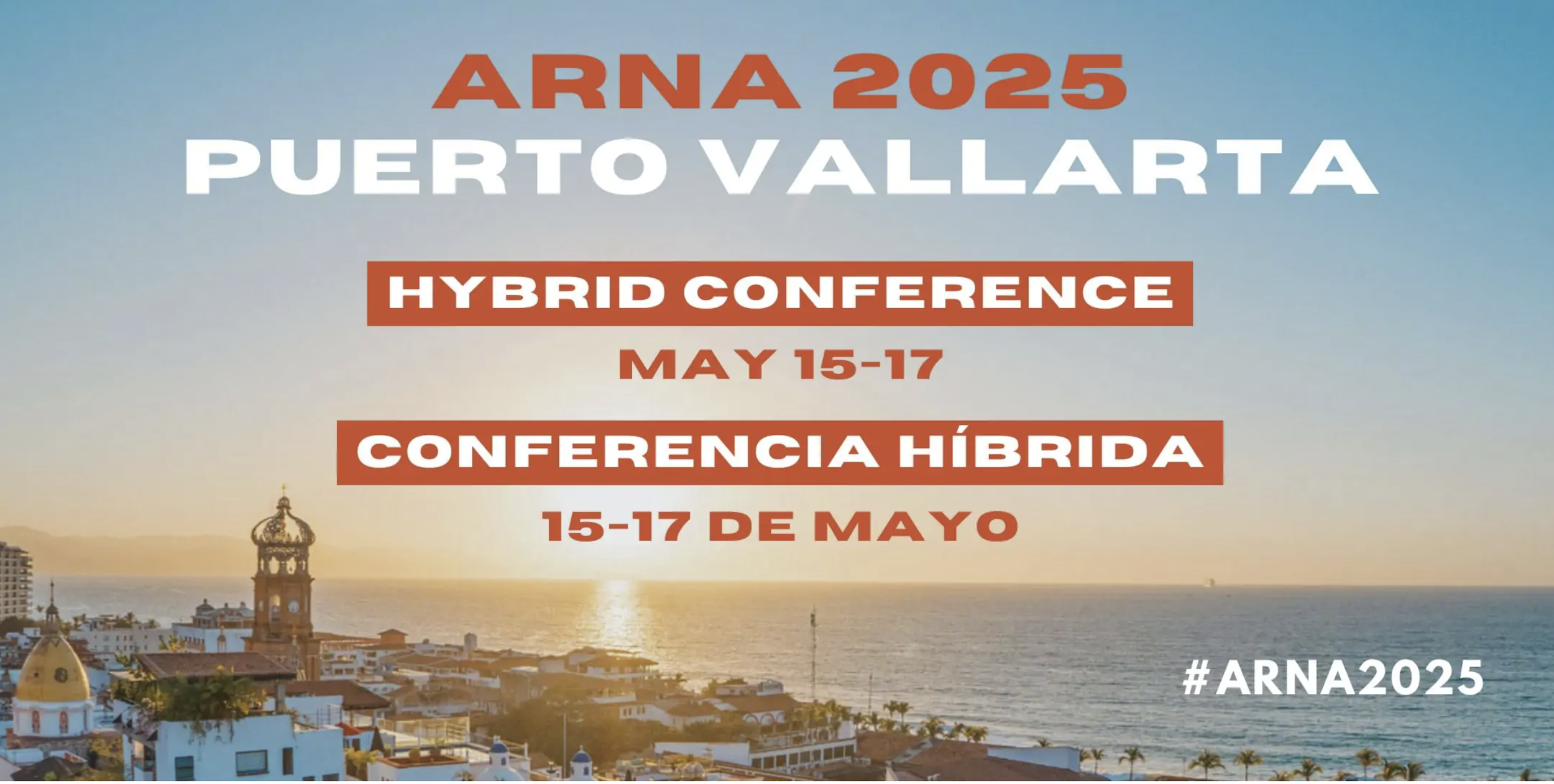
“Creative Work Rarely Happens by Committee” Arts-Based Research Workshop
https://arnawebsite.org/event/arna-2025-hybrid-annual-conference/
Action Research Network of the Americas
This conference requires registration in advance. Follow the website link for details.
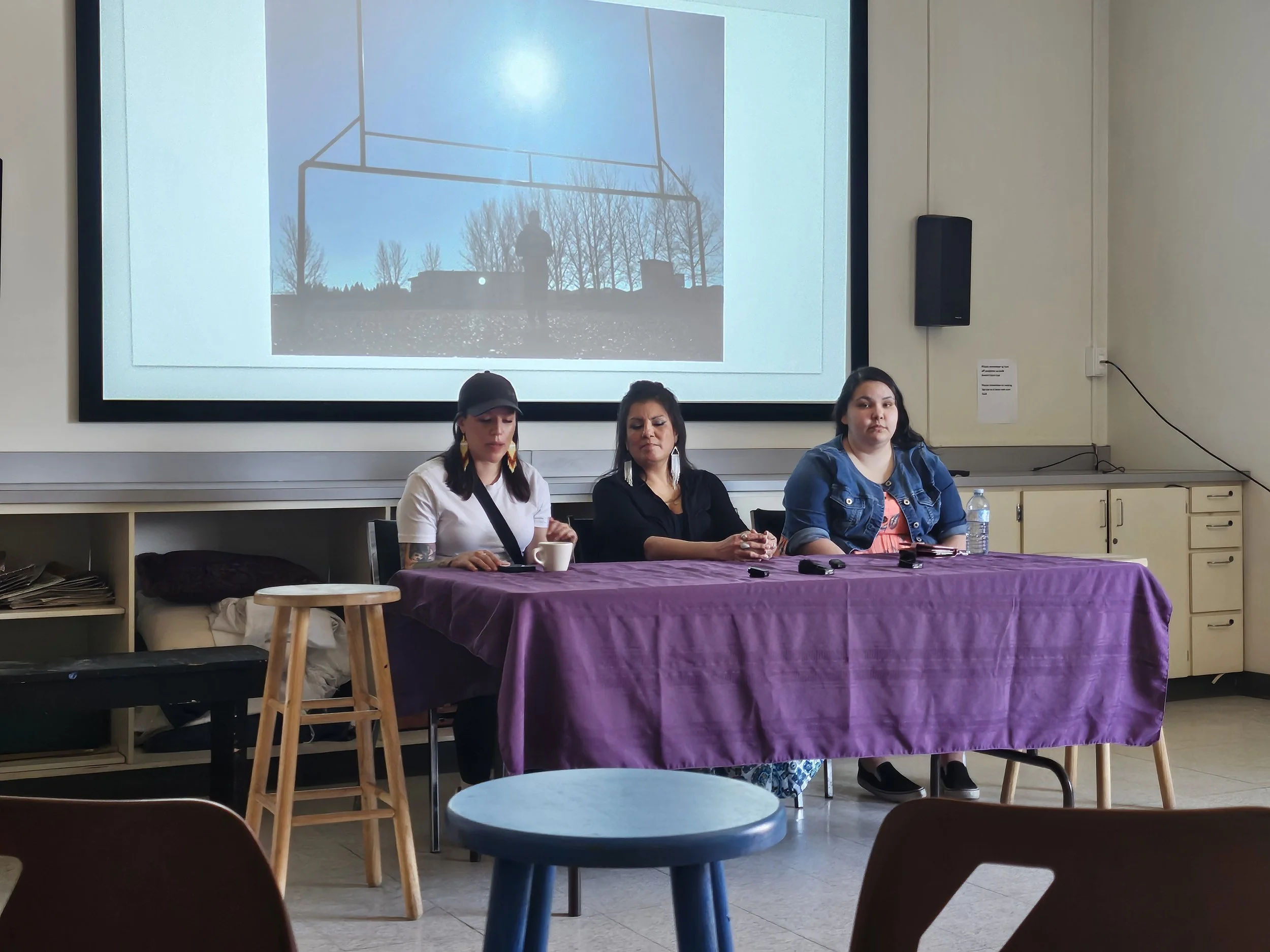
Artist Panel: This is Us
https://agsm.ca/event/artist-panel-this-is-us/
Join us in person or online for an artist panel on Saturday May 3rd, 2025.
Organizers and participants of the exhibition This is Us: Indigenous Identity Beyond Blood will gather for a closing reception, including ceremony and a panel discussion about their experience of this photovoice project.
Light refreshments will be served.
Watch live on the AGSM’s YouTube Channel or Facebook Live.
Decolonizing Community-Campus Engagement Workshop
WORKSHOP HELD ONLINE BUT IN-PERSON GROUP HOSTED AT BU CARES
This half-day online workshop will present opportunities to learn more deeply about the importance of decolonizing community-campus engagement, and how wise practices and principled engagement can inform and inspire how we engage with all communities.
Join Dr. Shawna Cunningham, Director of ii' taa'poh'to'p (Indigenous Strategy), University of Calgary, and Susan Mide Kiss, Vice-President, Community Engagement, University of the Fraser Valley, along with other Indigenous and non-Indigenous scholars and community engagement professionals from across Turtle Island. Participants will engage in storytelling and conversation, sharing inspiring examples of authentic and reciprocal community-campus engagement. Participants will also receive practical guidance and resources to apply their learnings beyond the workshop session.
A Zoom link will be provided after registration. Portions of the workshop will be recorded.
Register for the workshop by clicking the button below. For more information, contact us at info@ccecanada.ca.
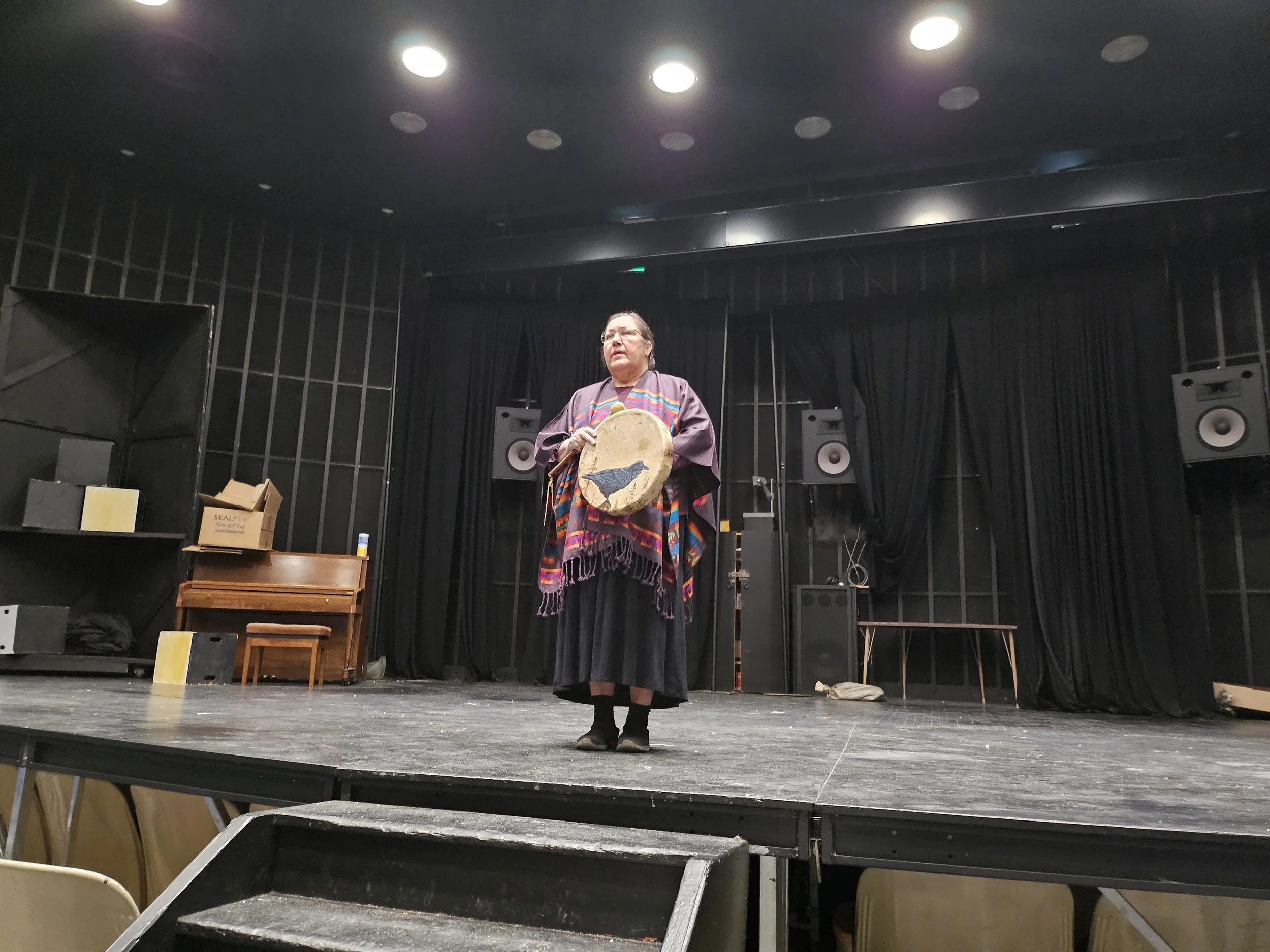
Anti-Racism Film Screening and Discussion
We warmly invite you to join us for a thought-provoking anti-racism film screening and discussion.
Tuesday, March 11th
Evans Theatre
12:40 - 1:30pm
What can I expect?
A Local MB Film: The screening features a compelling 5-minute film based on stories from 500 people in Manitoba from research done here at Brandon University
Behind-the-Scenes: Hear from those involved in the creation of the film. Learn about the research, stories, and where we're going next.
Meaningful Conversation: Following the film, we'll break into small group discussions where you'll be guided through thought-provoking questions. It's a chance to share your perspectives or simply listen and learn from others.
No pressure, just open conversation. Everyone is welcome. See you there!
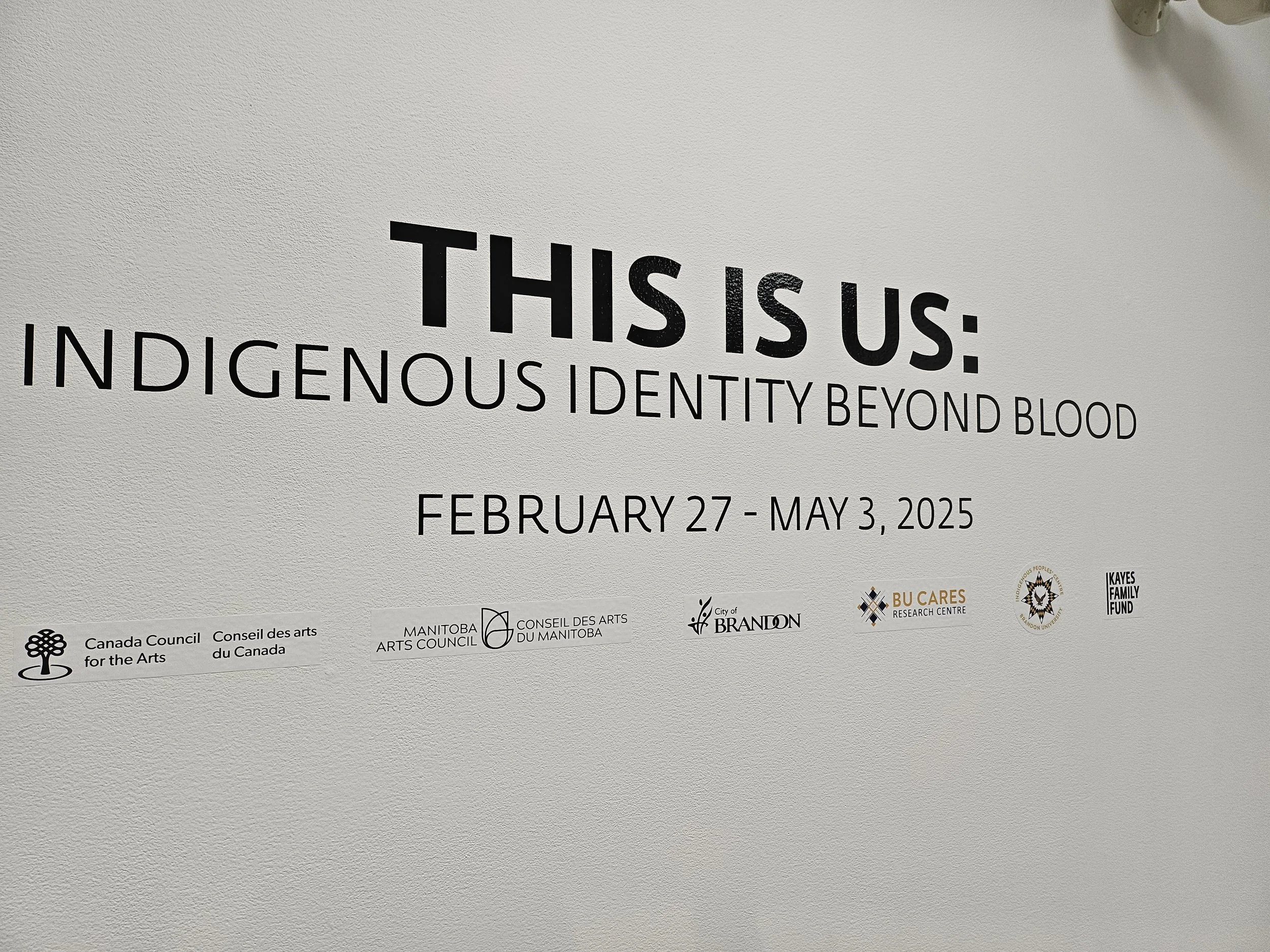
Opening Reception: This is Us
https://agsm.ca/event/opening-reception-this-is-us/
Opening Reception: This is Us
February 27, 2025 @ 6:00 pm - 8:00 pm
Art Gallery of Southwestern Manitoba